Our Printing Processes
At Lyoness Press, we specialise in a range of printing processes to bring your designs to life with vibrant detail and lasting durability.
Direct-to-Garment (DTG)
Our in-house DTG printer beautifully recreates complex imagery and intricate graphics across a wide range of garments.
Direct-to-Film (DTF)
Our DTF printing produces bold, high-detail transfers using eco-friendly water-based inks and adhesive powder on recyclable PET film.
Stahls Screen Transfers (1–5 Colours)
For ultimate durability, we use Stahls screen transfers. They replicate the authentic look, feel, and longevity of traditional screen printing—without the mess or waste.
Direct-to-Garment (DTG) Printing
Direct to garment (DTG) printing is a method of printing onto textiles designed specifically for cotton garments such as t-shirts and tote bags. This technique uses specialised inkjet technology to apply designs directly onto the fabric, allowing for complex imagery and detailed graphics.
One of the significant advantages of DTG printing is its ability to produce high-quality prints with vibrant colours and fine details. It is particularly effective for intricate designs, photos, and artwork, making it an ideal choice for artists and organisations looking to showcase their artwork on garments.
DTG printing is the most environmentally friendly printing method available. It uses water-based inks, which have a lower environmental impact, and the process generates almost no waste, aligning with our sustainable practices at Lyoness Press.

Direct-to-Film (DTF) Printing
Direct-to-Film (DTF) printing involves printing a design onto recyclable PET film using water-based inks, then applying an adhesive powder before heat-pressing the design onto fabric. This process enables high-detail, vibrant prints with smooth gradients and strong durability.
DTF is generally considered more sustainable than traditional methods like screen printing because it supports on-demand production, reducing overall waste, and eliminates the need for screen setup. It is also a “dry” process that uses minimal water and often operates at lower temperatures, helping to reduce water and energy consumption.
The key advantages of DTF printing are its efficiency, reduced manpower time, versatility across fabrics, and ability to produce durable, long-lasting prints, making it ideal for custom apparel and small-batch production.
Stahls Screen Transfers (1–5 Colours)
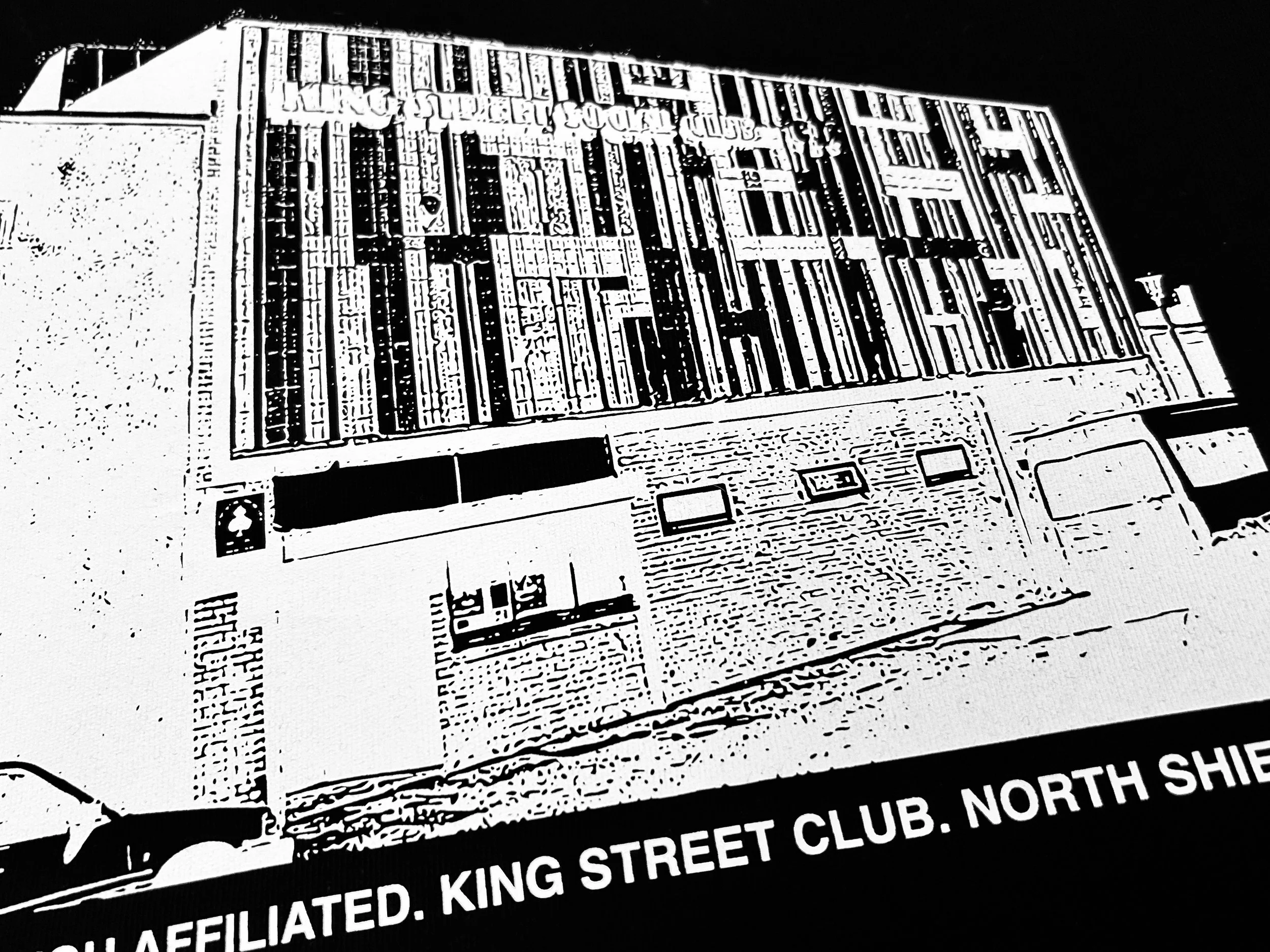
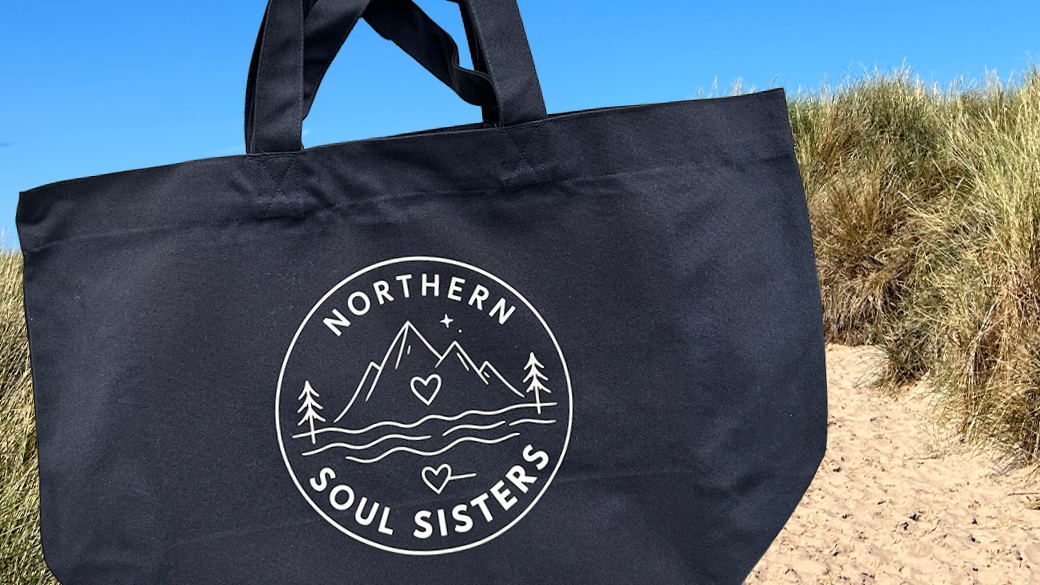
Stahls screen-printed transfers involve printing specialised ink onto a release film or paper, which is then backed with an adhesive powder and heat-pressed directly onto fabric. This process delivers the authentic look, feel, and exceptional longevity of traditional screen printing without the setup complexity or cleanup.
Compared to direct screen printing, screen transfers are significantly more sustainable. They remove liquid chemical exposure, screens, and intensive washout stations, reducing chemical runoff and water usage. Because transfers can be printed and stored, they enable effortless on-demand production that minimises unsold stock and material waste.
The main advantages of Stahls screen transfers are their superior durability, crisp solid-colour accuracy, versatility across diverse fabric blends, and rapid press times. This makes them the ultimate choice for vibrant teamwear, workwear, and high-wear custom apparel.